The proportion screened within the previous three years rose to 71.8 per cent in 2024/25, compared with 71.1 per cent the year before.
Breast screening uses a mammogram to check for signs of cancer and can detect changes before symptoms become noticeable.
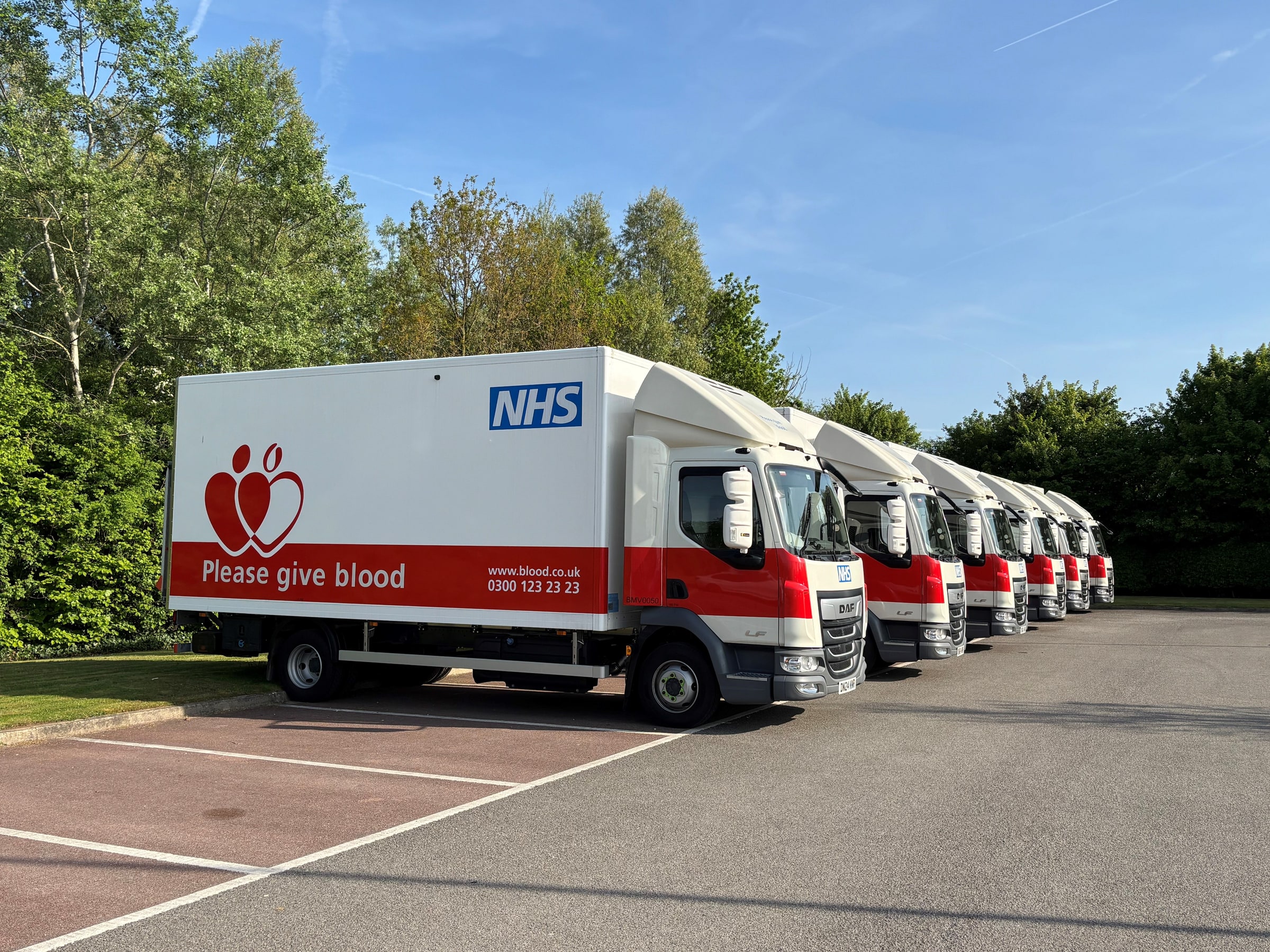
Appointments take place in hospitals and mobile units in local communities, with screening carried out by a female mammographer.
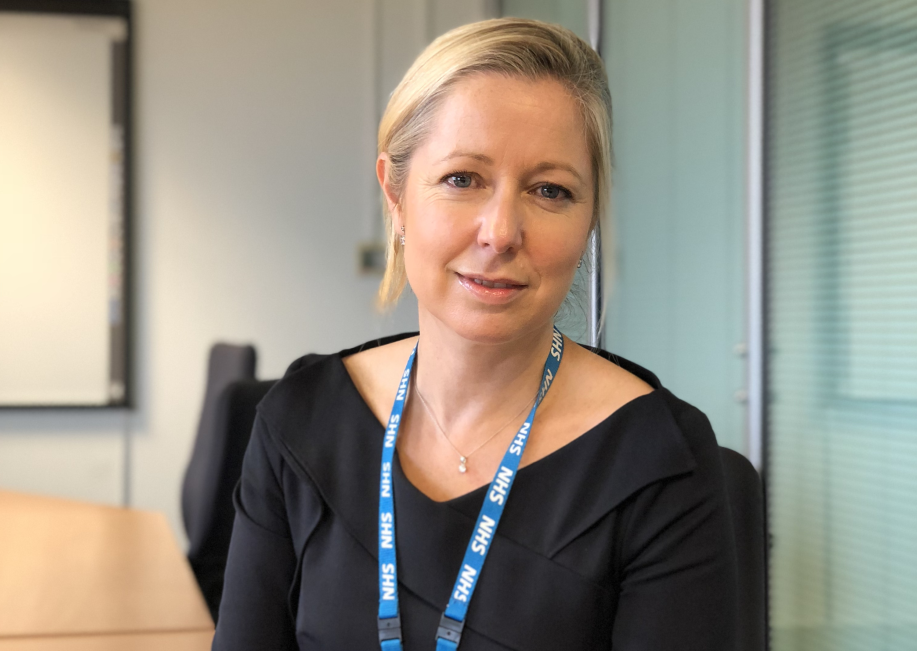
Dr Paula Cowan, GP and regional medical director for primary care at NHS England in the North West, said:
“Breast screening detects thousands of breast cancers each year, but we know that some people may be reluctant to come forward for a number of different reasons, or it may not be a priority in their busy lives.
“Breast screening is incredibly important as it can detect cancer at an early stage when it’s more treatable, and before people may experience signs and symptoms. And for most women the result is all clear and provides peace of mind.
“So, when you're invited, save the date, it could save your life.”
People registered as female with a GP receive their first automatic invitation between the ages of 50 and 53, followed by invitations every three years until their 71st birthday. Those aged 71 and over can request screening every three years through their local breast screening service. NHS
The NHS also encourages women to check their breasts regularly between appointments and contact their GP about unusual changes in how they look or feel.
Further information about screening and what happens at an appointment is available on the NHS website.