
Seen, Heard, Diverted will draw on young people’s experiences to identify where professional responses and support need to change.
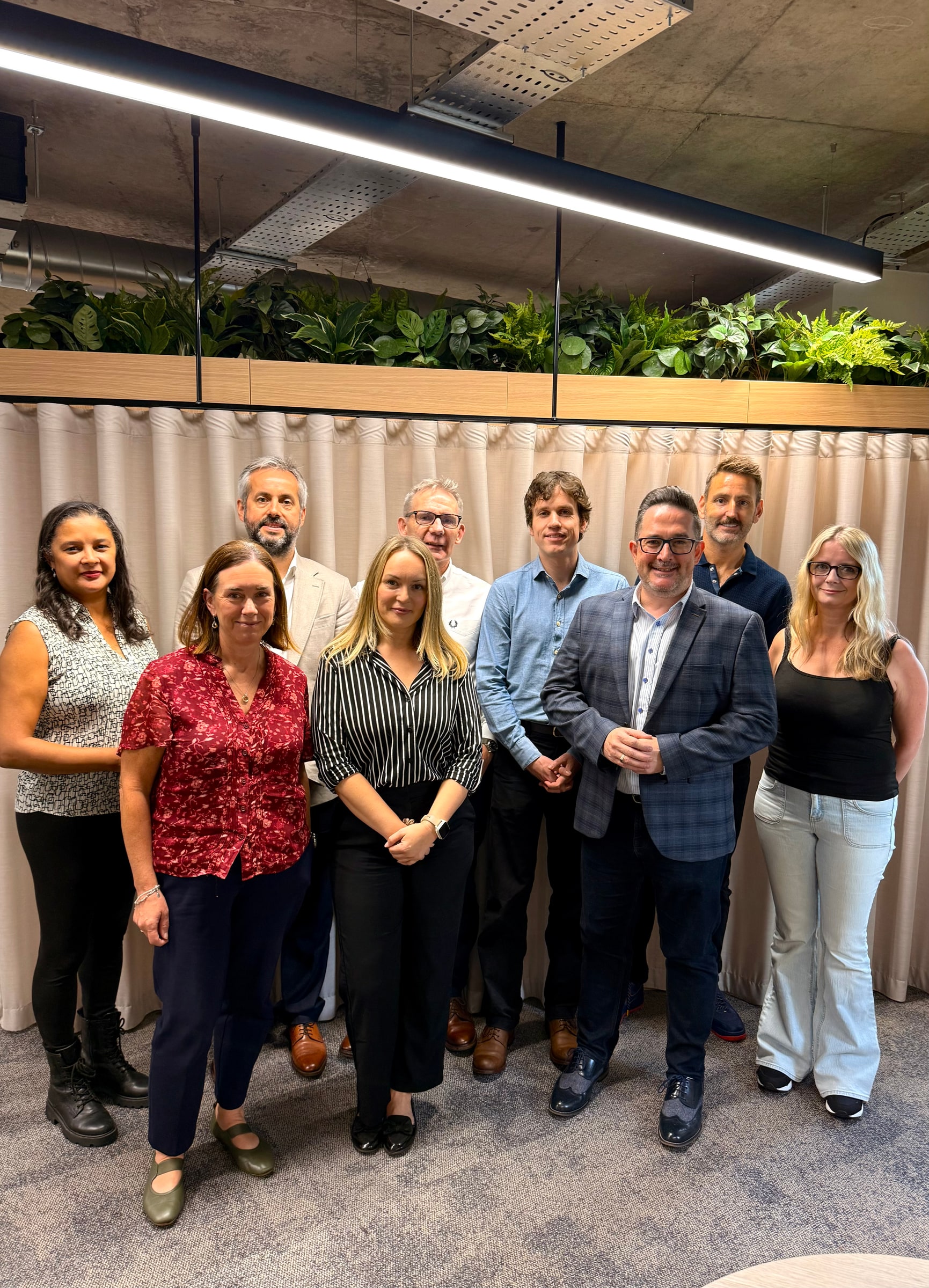
A new strategic partnership will oversee the programme. It brings together Greater Manchester Combined Authority, Greater Manchester Police, Olliers Solicitors, Greater Manchester Youth Network and organisations across youth justice and the charity sector.
The first year will focus on listening, design and testing. Neurodivergent young people with experience of the justice system will work alongside the partnership to develop resources, tools and training for later stages of the programme.
Families will be able to access videos, downloadable information and practical tools to help them understand and navigate the justice system.
Manchester-based criminal defence firm Olliers Solicitors said its lawyers regularly see neurodivergent behaviours misunderstood as defiance, aggression or a lack of remorse.
Matthew Claughton, managing director of Olliers Solicitors, said “In criminal defence work, we see the consequences of misunderstanding every week. A young person who avoids eye contact, struggles to sit still in an interview or finds it difficult to explain themselves under pressure can be seen as evasive or unremorseful, when what’s actually happening is that their neurodivergence hasn’t been recognised.
“By the time we’re involved, the damage can already be done. This programme gives us an opportunity to intervene much earlier.”
Damian Dallimore, assistant director at Greater Manchester Combined Authority and director of the Greater Manchester Violence Reduction Unit, said “The overrepresentation of neurodivergent people in prison and the criminal justice system is something that has long been known and yet improvements have often been slow or in pockets of good practice rather than systemic.”
Detective Superintendent Lynsay Armbruster, of Greater Manchester Police, said “Police officers make complex decisions in real time, often in highly dynamic circumstances. As our understanding of neurodiversity continues to develop, it is important that officers are equipped with the knowledge and support they need to recognise how neurodivergent young people may present and to respond in the most effective way.”
Alex Fairweather, chief executive of Greater Manchester Youth Network, said “Too often, the youth sector is asked to respond once a young person is already in the system. We want to be there before that point. This programme gives organisations across Greater Manchester the opportunity to challenge how things currently work and, most importantly, involve young people themselves in shaping what needs to change.
“That’s what will make this meaningful.”
Partners are due to reconvene later this year to review progress and agree next steps.